Finding Hidden Gems in Local Mountain Villages

In this post, you'll learn how to identify and access the smaller, less crowded mountain villages that offer more authentic experiences than the massive, corporate-run resorts. I'll break down the specific markers of a "hidden gem" village, how to vet your lodging to avoid tourist traps, and how to find the best local dining and gear shops away from the main lift bases.
Finding a true mountain gem requires looking past the glossy brochures and the massive marketing budgets of the big-name resorts. Most people head straight to the most famous names, but that's where you find the longest lines and the highest prices. If you want a more intimate experience, you have to change how you search for your next destination.
What Makes a Ski Village a Hidden Gem?
A hidden gem is defined by a lack of massive lift infrastructure and a reliance on local, independent businesses rather than international chains. These villages usually feel more like a community than a commercialized resort hub.
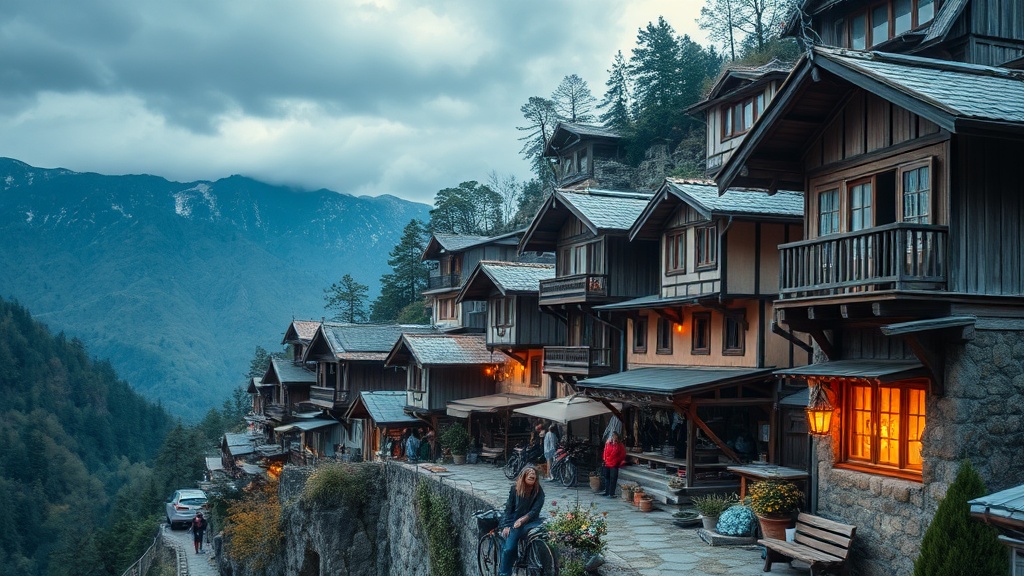
Look for villages that are actually small towns first. In places like the Mont Blanc massif or even parts of the Rockies, the "ski resort" is often a separate entity from the town itself. This distinction is everything. When the town isn't owned by a single corporation, the culture stays intact. You'll see more family-run bakeries and fewer Starbucks locations.
One big indicator is the terrain accessibility. If you have to drive twenty minutes from the village to reach a lift, you've found a winner. These "outlier" villages often have a much more relaxed pace. You won't be fighting a sea of people for a single chairlift. It's a slower, more intentional way to spend a week in the mountains.
Don't forget to check the local topography. Real gems often sit in valleys or on the fringes of larger areas. This proximity to bigger resorts is a strategic advantage—you get the charm of a small village with the option to access larger-scale terrain if you really want to.
If you're interested in how these smaller-scale environments change your daily routine, you might find it helpful to read about finding authentic local experiences in ski towns.
How Do I Find Small Villages with Great Terrain?
Search for "ski-in/ski-out" options in smaller towns rather than major resort names to find high-quality, low-crowd destinations. Most search engines will prioritize the biggest names, so you have to use more specific, granular keywords.
Instead of typing "best ski resorts" into Google, try searching for "ski towns in [Region Name]" or "small mountain villages near [Major Mountain Name]." This flips the script. You're looking for the satellites, not the sun. For example, instead of searching for Vail, look for the smaller towns in the Colorado Rockies that serve as gateways to the larger areas.
Check the Google Maps terrain view for your target area. If you see a massive cluster of hotels and a giant parking lot, move on. If you see a small cluster of buildings nestled in a valley with limited road access, you're on the right track. These areas are harder to get to, which is exactly why they stay special.
A quick tip: Look at the local government or municipal websites for the region. They often list "Ski Areas" rather than "Resorts." A ski area is typically a smaller, more localized operation. These are the places where you'll find the best local vibes and the least amount of commercialized "noise."
| Feature | Major Resort Village | Local Mountain Village |
|---|---|---|
| Primary Lodging | Large Hotels & Chains | Guesthouses & B&Bs |
| Dining Options | High-end, Corporate Dining | Local Bistros & Pubs |
| Crowd Density | Very High (Peak Season) | Moderate to Low |
| Price Point | Premium/Inflated | Fair/Localized |
How Much Does a Local Village Trip Cost?
Local villages are generally more affordable because they lack the "resort premium" applied to food, lodging, and lift tickets. While you might pay more for transportation to get there, your daily expenses will often drop significantly.
The biggest savings come from food and drink. In a major resort, a burger and a beer might run you $40. In a local village, you can often find a local pub where the same meal is $22. This adds up fast over a week-long trip. Also, many of these smaller areas have more reasonable lodging options—think charming apartments or local motels rather than $800-a-night luxury lodges.
One thing to watch out for: transportation. Since these villages are often tucked away, you might need a rental car or a shuttle service. This is an upfront cost that people often overlook. However, even with the car rental, the total cost of the trip is usually lower than staying at a major resort hub.
It's also worth noting that gear rental prices can be more stable in these areas. You aren't paying for the "brand name" of the mountain. If you're looking to upgrade your kit, you might even find better deals at local shops that specialize in specific types of terrain. You can check out ski equipment standards to ensure you're getting quality gear even in a smaller town.
Where to Shop and Eat Like a Local
To find the best food and gear, you have to leave the lift base immediately. The shops and restaurants closest to the lifts are the ones that cater to the highest-spending tourists. They are also the most expensive.
- Walk the perimeter: Walk at least three blocks away from the primary lift station. This is where the locals actually hang out.
- Check the "Old Town": If the village has a historic center, that is your target. The oldest buildings usually house the best food.
- Look for "No Sign" spots: The best coffee or après-ski spots often don't have massive neon signs. They are small, unassuming, and often tucked into a side street.
- Ask the Instructors: If you are taking lessons, ask your instructor where they eat. They know the spots that aren't on the tourist maps.
When you're looking for gear, don't just look for the biggest shop. Small, specialized shops often have better advice and more tailored service. If you're looking for high-performance-specific gear, you might want to look into selecting the right ski gear for your ability level to ensure you're asking the right questions when you walk into a local shop.
The goal is to blend in. When you eat at the place where the lift operators and local instructors go for lunch, you're getting a real taste of the mountain culture. It’s more than just a meal—it's part of the experience. It makes the whole trip feel less like a vacation and more like a way of life.
Don't be afraid to wander. The best way to find a hidden gem is to get a little lost. Leave the main thoroughfare, turn down a side street, and see where it leads. You might just find your new favorite mountain village.