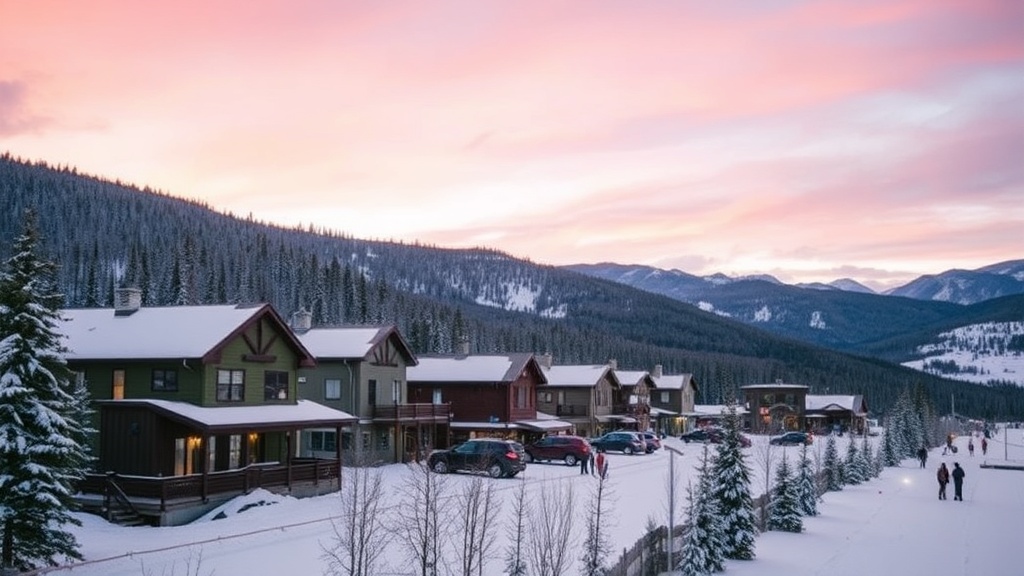
Beyond the Lift Line: Finding Authentic Local Experiences in Ski Towns

Picture this: you've just spent six hours carving through fresh powder, your legs feel like jelly, and you're dreaming of a hot drink. You walk into the local village, expecting a vibrant, welcoming atmosphere, but instead, you find a row of identical souvenir shops and a quiet, sterile dining hall that feels more like a corporate cafeteria than a mountain retreat. This disconnect—the gap between the high-octalgia of the slopes and the actual soul of the town—is where many ski vacations lose their magic. This post looks at how to move past the tourist traps and find the real, gritty, and wonderful culture that exists beneath the lift lines.
Skiing is often treated as a vacuum-sealed experience. We fly in, rent gear, ski the mountain, and fly out. But the best memories don't happen in the rental shop; they happen in the dimly lit jazz bar down the street or at the family-run bakery that opens at 4:00 AM. To find these spots, you have to change your perspective on how you spend your downtime.
Where can I find authentic food and drink away from the resort?
Resort-adjacent dining is often expensive, mediocre, and designed for speed. If you want a meal that actually tells a story, you have to look for the places that don't have a view of the mountain. In many-mountain towns, the locals aren't eating at the lodge; they're at the place that's been there for thirty years.
- Look for the 'No-Logo' Spots: If a restaurant's branding is heavy on ski-themed kitsch, keep walking. Look for the places with handwritten menus or those that don't even have a website. These are often the local haunts.
- Follow the Service Industry: When the lifts close, where do the instructors and lift ops go? They have great taste because they want value and quality. Ask your rental technician or your ski instructor where they grab a burger or a pint. They won't steer you wrong.
- The Mid-Day Pivot: Instead of eating a heavy lunch at the base area, drive ten minutes into the actual town center. The price point usually drops significantly, and the quality of ingredients tends to rise.
For a better understanding of local food movements and how they impact mountain regions, check out the