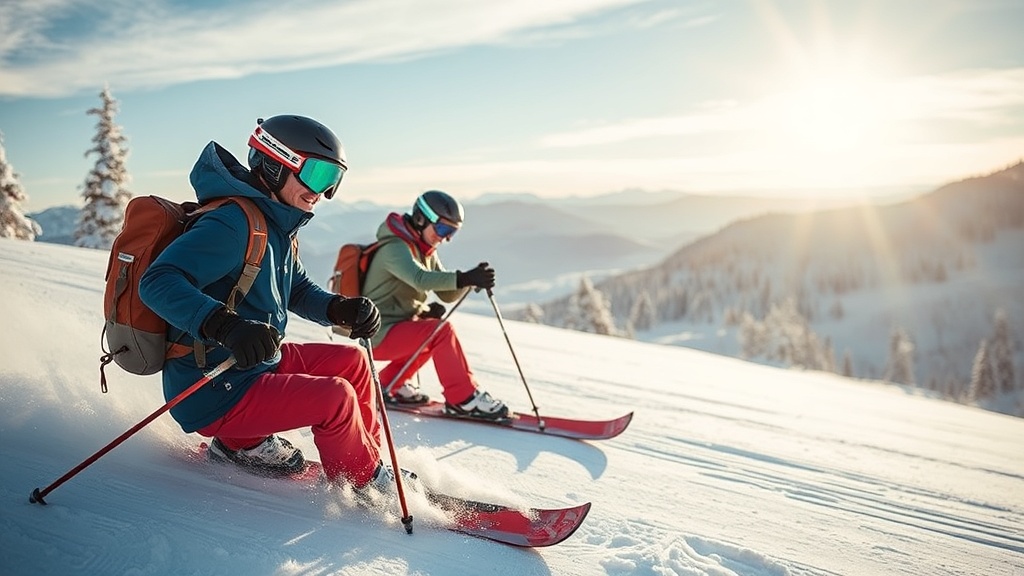
Selecting the Right Ski Gear for Your Ability Level

A skier leans into a sharp turn on a groomed run, only to have their edge catch unexpectedly, sending them sliding toward the lift line. It isn't a matter of skill; it's a matter of equipment. The skis were too stiff for the soft snow, and the boots lacked the lateral support needed for that specific terrain. This mismatch between gear and ability is one of the most common ways to ruin a mountain day.
Choosing the right equipment is about more than just buying the most expensive brand. It's about matching the physical properties of your gear to your actual skill level and the terrain you intend to ski. This guide breaks down how to select skis, boots, and poles based on whether you're a beginner, an intermediate, or an advanced skier.
How Do I Know My Ski Ability Level?
You determine your ability level by assessing your control, edge engagement, and comfort in different snow conditions. Most people fall into one of three categories: beginner, intermediate, or advanced.
Beginners are typically learning to balance and initiate basic turns on green runs. They often rely heavily on the instructor's guidance and may struggle with speed control. If you're still working on your "pizza" shape or basic parallel turns, you're in the early stages.
Intermediate skiers have mastered the basics and can navigate blue runs with confidence. They can usually handle moderate bumps and some variable snow, but they might feel intimidated by steep chutes or heavy powder. They are starting to develop more edge control and can manage more varied terrain.
Advanced skiers—often called "experts"—can ski almost any terrain on the mountain. They possess high-level edge control, can navigate heavy moguls, and handle high speeds with ease. They understand how to adjust their technique for changing snow conditions like powder or ice.
If you're still trying to figure out if you're ready for a big trip, check out my ultimate guide to ski vacation planning to ensure your trip matches your current skill level.
What Kind of Skis Should I Buy?
The best skis for you depend on your ability level and the specific type of terrain you want to tackle most often. Skis are categorized by their "flex" and "profile" (the shape of the ski's outline).
For beginners, look for skis with a soft flex and a shorter length. These skis are more forgiving when you make mistakes. A softer ski won't fight you as much when you're trying to learn how to turn. You want something that feels stable but easy to manipulate. Brands like Rossignol often produce beginner-friendly models that are easy to pivot.
Intermediate skiers need something a bit more versatile. You'll want a ski that can handle both groomed runs and occasional off-piste sections. A medium flex is ideal here. It provides enough stability to keep you from wobbling at higher speeds but remains maneuverable enough for turns. Look for "all-mountain" skis that offer a balance of stability and agility.
Advanced skiers demand high performance. You need a ski with a stiff flex and a more aggressive sidecut. These skis are designed to hold an edge on ice and provide stability at high speeds in deep powder. If you're looking at high-end gear, brands like Atomic or Völkl offer specialized models for technical terrain. These skis require much more physical effort to turn, but the reward is precision.
| Ability Level | Ski Type | Flex Profile | Primary Terrain |
|---|---|---|---|
| Beginner | Recreational / Learning | Soft/Flexible | Green Runs / Groomers |
| Intermediate | All-Mountain | Medium | Blue Runs / Variable Snow |
| Advanced | Technical / Powder | Stiff/Aggressive | Black Diamonds / Moguls / Powder |
Why Are Ski Boots So Important?
Boots are the most critical piece of equipment because they are the direct interface between your body and your skis. A bad boot can cause discomfort, blisters, or even permanent foot issues.
The "flex" of a boot is measured in grams or through a scale of 1 to 10. Beginners should look for a lower flex rating. If the boot is too stiff, it will be painful to walk in and difficult to control during short turns. A softer boot allows for more comfort while you're still building leg strength. (Trust me, a stiff boot on day one is a recipe for a very long, painful day.)
Intermediate skiers can move into a medium-flex boot. This provides more feedback from the snow, allowing you to feel when your edges are engaging. It offers a better balance of comfort and control. You want a boot that feels secure but doesn't feel like a concrete block on your feet.
Advanced skiers usually opt for high-performance, high-flex boots. These are often much stiffer to provide the immediate response needed for high-speed carving and technical maneuvers. The fit must be extremely precise—even a few millimeters of extra space can cause a loss of control. If you're buying high-end gear, don't skimp on the fit.
When planning your gear haul, remember that boots take up a lot of space in a suitcase. I highly recommend looking into smart packing techniques to ensure your heavy boots don't blow your luggage budget.
Should I Buy or Rent My Gear?
Rentals are best for beginners or casual skiers, while buying is better for those who ski frequently and have specific foot shapes or skill requirements.
- Rent if: You are a beginner, you only ski once a year, or you want to try different types of terrain without a huge investment.
- Buy if: You have a unique foot shape (standard rental boots rarely fit perfectly), you ski more than 10 days a year, or you want specialized performance gear.
The cost of renting can add up quickly if you're staying for a full week. However, buying high-end gear like a pair of Salomon race boots and matching skis is a significant investment. If you're traveling with a group, renting might be the more efficient choice for the group's logistics. If you're finding the perfect ski chalet for your group, you might want to check if they have rental shops on-site to save on hauling heavy gear.
One thing to consider is the "seasonality" of gear. If you buy a pair of powder-specific skis, you won't be able to use them effectively on a groomed run in early season. It's usually better to own one versatile "all-mountain" set of skis and rent specialized gear for specific trips.
Don't forget the smaller details. A good pair of gloves and a reliable helmet are non-negotiable. A helmet isn't just a suggestion; it's a fundamental safety requirement. Many resorts won't even let you on the lifts without one. The fit of your helmet should be snug but not tight enough to cause a headache.
The pole length also matters. Beginners often use longer poles to help with balance, while advanced skiers use shorter, more aerodynamic poles to assist with timing and technical turns. Make sure your poles match the height of your ski length for the best ergonomics.
If you're still undecided on the specifics of your gear, check out the Wikipedia entry on skiing equipment for a deep dive into the physics of how these items work. But for most of us, the best way to learn is to go to a local shop and try things on. A professional boot fitter is worth their weight in gold.
Steps
- 1
Assess Your Current Skill Level
- 2
Match Skis to Your Ability
- 3
Prioritize Boot Comfort and Fit
- 4
Select Compatible Poles and Accessories