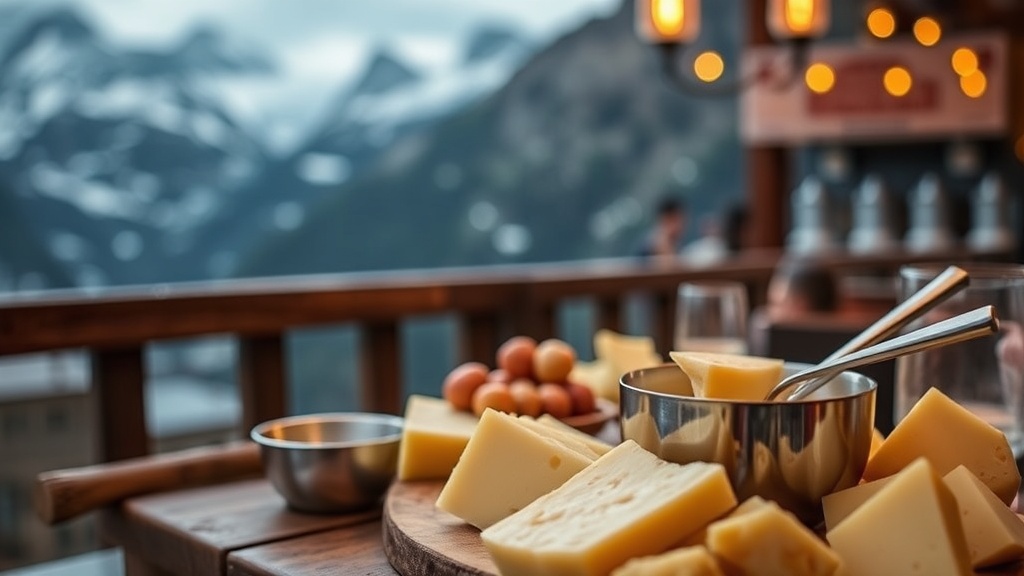
Savoring the Flavors of the Alps with Local Cheese and Fondue

This guide covers the specific types of Alpine cheeses you'll encounter, the traditional methods of preparing fondue, and how to plan your culinary-focused ski trip to ensure you aren't just eating processed snacks. You'll find tips on identifying authentic regional cheeses, understanding the etiquette of a communal pot, and how to pair your meals with local beverages.
What are the best cheeses to try in the Alps?
The best cheeses to try in the Alps are hard, mountain-aged varieties like Gruyère, Comté, and Beaufort. These aren't your standard grocery store options; they're products of specific high-altitude grazing and traditional cheesemaking-techniques that produce deep, nutty flavors.
If you're heading to the French Alps, look for Comté. It's a cow's milk cheese from the Jura mountains that has a much more complex profile than standard cheddar. If you find yourself in Switzerland, you'll likely run into Gruyère, which is the gold standard for melting. It's creamy, slightly salty, and has that distinctively sharp finish that cuts through the richness of a heavy meal.
In the Italian Alps (the Dolomites), you'll want to hunt for Fontina. It's much more forgiving and mellow than the intense French varieties. It's the kind of cheese that makes a grilled cheese sandwich feel like a religious experience. (Trust me, it's worth the extra effort to find a local deli rather than a supermarket.)
Here is a quick breakdown of the heavy hitters you'll see on menus:
| Cheese Name | Primary Region | Flavor Profile | Best Used For |
|---|---|---|---|
| Gruyère | Switzerland | Nutty, Salty, Sharp | Classic Fondue |
| Comté | France | Creamy, Fruity, Nutty | Platters and Sandwiches |
| Fontina | Italy | Mild, Earthy, Mellow | Polenta and Grilling |
| Beaufort | France | Rich, Intense, Floral | Fine Dining |
It's worth noting that the quality of the cheese often depends on the altitude of the cows' grazing. High-altitude grazing leads to better milk quality, which leads to better cheese. It's a cycle of deliciousness. If you want to learn more about the science of cheese-making, the Wikipedia page on cheese offers a deep dive into how these flavors develop.
How do you eat fondue the right tradition way?
To eat fondue the traditional way, you dip cubes of crusty bread into a communal pot of melted cheese and wine, ensuring you don't lose your bread in the depths of the pot.
There are actually unwritten rules to this. First, the bread. You shouldn't use soft, white bread that will turn into mush. You need something sturdy—think a rustic sourdough or a crusty baguette. If your bread is too soft, you'll end up with a soggy mess that ruins the whole experience.
Second, the "lost bread" rule. If you accidentally drop a piece of bread into the cheese and can't retrieve it, tradition says you have to pay a penalty—usually buying the next round of drinks for the table. It's a fun way to keep the energy high, but it can be a bit nerve-wracking if you're a clumsy eater.
Third, the beverage pairing. Most people reach for white wine, specifically a dry, acidic one. The acidity is vital because it cuts through the heavy fat of the cheese. If you're not a big wine drinker, a hot tea is a great alternative. I've seen people try to drink heavy beer with fondue, and frankly, it's a mistake. The richness of the cheese and the heaviness of the beer can make you feel sluggish before the afternoon's skiing even begins.
If you're looking for more authentic ways to spend your evenings off the slopes, check out my previous post on finding authentic local experiences in ski towns. It's a great way to round out your itinerary.
Common Fondue Varieties
- Fondue Savoyarde: This is the heavy hitter from the Savoie region. It usually features a blend of Beaufort, Comté, and Emmental. It's incredibly rich.
- Moitié-Moitié: A Swiss classic that literally means "half-and-half." It's a mix of two different cheeses, often Gruyère and Vacherin Fribourgeois.
- Raclette: While technically a different way of serving cheese, it's often grouped with fondue. Instead of a pot, you melt a large wheel of cheese and scrape it over potatoes and charcuterie.
Is it worth paying for a high-end cheese tasting?
Yes, a high-end cheese tasting is worth it if you want to understand the nuances of Alpine flavors and how they differ by valley and altitude.
I've found that many ski villages offer "cheese crawls" or formal tastings in the evenings. While it might feel like an extra expense, it's often the best way to learn. When you're just eating a quick melt-down at a lodge, you're just eating. When you're at a structured tasting, you're actually learning.
A professional cheesemonger can explain the difference between a cheese aged for six months versus one aged for eighteen months. That distinction is massive. The older cheese will have those tiny, crunchy crystals (calcium lactate) that signal a high-quality, well-aged product. If you're a foodie, this is the highlight of the trip. If you just want to fuel up and get back to the mountain, maybe stick to the standard lodge fare.
That said, don't feel pressured to do a formal tasting every night. Sometimes a simple piece of local cheese with a piece of fruit is more than enough. The goal is to enjoy the culture, not to turn your vacation into a culinary school seminar.
For those who want to see the actual production side, the Escoffier School of Culinary Arts provides excellent resources on the history of European food-culture and the importance of regional ingredients. Understanding the history makes the meal taste even better.
If you're traveling with a large group and worried about everyone's different tastes, you might want to look into choosing a resort based on group dynamics. A resort with a massive variety of dining options is a must if you have picky eaters in the mix.
When you're planning your evening, remember that the best cheese-heavy meals are meant to be slow. Don't rush the process. The warmth of the pot and the slow pace of the meal are part of the Alpine experience. It's the perfect way to warm your bones after a long day of carving through fresh powder. Whether you're sharing a pot with friends or enjoying a quiet plate of Raclette by a fireplace, these flavors are what make the Alps truly special.