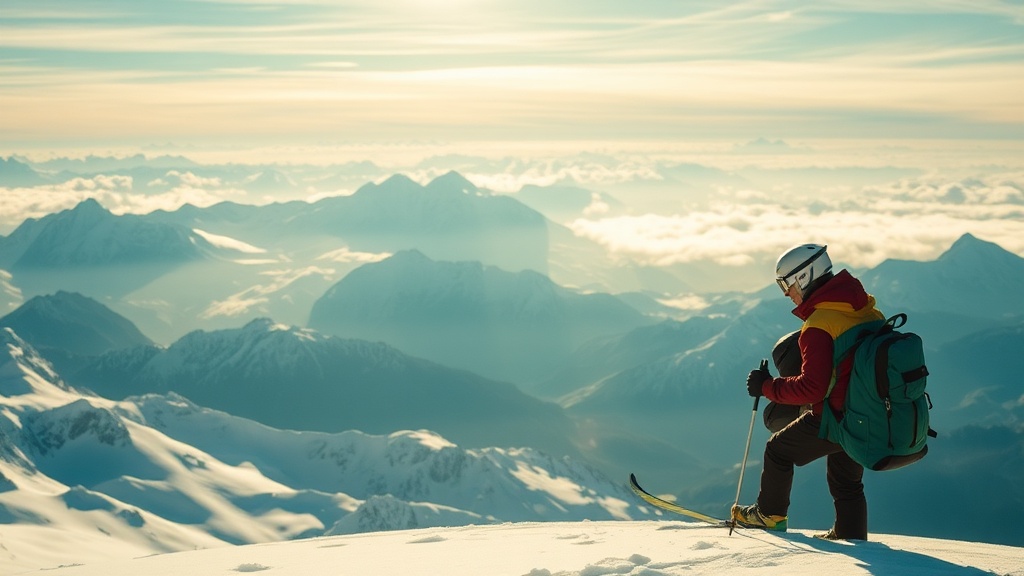
Why High Altitude Flight and Oxygen Levels Affect Your Ski Trip

Nearly 40% of people traveling to high-altitude ski resorts experience some form of altitude sickness, ranging from mild headaches to severe physical discomfort. When you're planning a trip to the Rockies or the Alps, you aren't just packing for cold weather; you're preparing your body for a significantly thinner atmosphere. Understanding how air pressure and oxygen levels change at high elevations can mean the difference between a week of incredible runs and a week spent shivering in your hotel room with a migraine.
The science is straightforward: as you climb, the air pressure drops, which means there is less oxygen available in every breath you take. This isn't just a theory—it's a physiological reality that hits everyone differently. Some travelers are incredibly resilient, while others find themselves struggling after just a few hours of being at elevation. This post covers the mechanics of altitude, how to prepare your body, and how to manage the physical toll of mountain air.
How do I prevent altitude sickness during a ski vacation?
The most effective way to avoid the dreaded mountain headache is a slow ascent. If you can, spend a night or two at a mid-elevation town before heading up to the highest peaks or the resort base. This gives your body time to produce more red blood cells, which are necessary for transporting oxygen. Hydration is also a massive factor; high-altitude air is incredibly dry, and you lose moisture through respiration much faster than you do at sea level. Drink more water than you think you need—and skip the heavy cocktails for the first 24 hours.
Keep an eye on your nutrition as well. Digestion requires a lot of energy and oxygen, and at high altitudes, your system might struggle to keep up. Stick to light, nutrient-dense meals. If you feel a dull ache starting in your temples, don't ignore it. Often, the best remedy is to step away from the slopes, head back to a lower elevation, and rest. You can find more detailed physiological data on how oxygen levels change at different altitudes via the CDC Travel Health guidelines.
A common mistake is relying on caffeine to get through the morning. Caffeine is a diuretic and can actually exacerbate dehydration, which is a primary driver of altitude-related fatigue. Instead, focus on electrolytes. Magnesium and potassium-rich foods can help keep your nervous system stable as your body adjusts to the change in pressure.
Is it okay to drink alcohol at high altitudes?
The short answer is: be extremely careful. Alcohol affects people much more intensely at high altitudes. Because the oxygen levels are lower, your liver processes substances differently, and the onset of intoxication can be much faster and much more severe than at sea level. If you have a few drinks at a mountain lodge after a long day of skiing, you might find that the "buzz" turns into a debilitating headache by midnight.
If you do choose to enjoy a celebratory drink, follow the 1:1 rule: one glass of water for every alcoholic beverage consumed. This helps combat the dehydration that is already a constant threat in the mountains. Most seasoned travelers find that waiting until the second or third day of their trip—once their body has acclimated slightly—is the best time to enjoy the local culture's more spirited side.
Can oxygen canisters actually help on the slopes?
\p>You'll often see travelers carrying portable oxygen canisters or even using supplemental oxygen in their hotel rooms. While these can be a temporary fix for a headache or a sudden bout of shortness of breath, they aren't a long-term solution for altitude acclimation. They are useful tools for a quick boost, but they shouldn't replace the foundational work of hydration and slow ascent.
For those with pre-existing respiratory issues, discussing supplemental oxygen with a doctor is a smart move. For most healthy skiers, the goal is to support the body's natural ability to adapt. For more information on high-altitude environments and health, the Mayo Clinic offers extensive resources on altitude-related wellness.
Physical exertion at high altitudes requires much more effort from your heart and lungs. When you're carving turns through fresh powder, your demand for oxygen spikes. If you haven't spent enough time acclimating, you might feel winded much faster than usual. This isn't a sign of being out of shape; it's a sign that your body is working overtime to compensate for the thin air. Listen to your body. If your breathing becomes heavy or irregular, take a break. The mountain isn't going anywhere, and your health is more important than finishing that last run.
Be mindful of the "invisible" stressors too. The combination of intense UV radiation at high altitudes and the physical strain of skiing can lead to extreme fatigue. This fatigue often masks the symptoms of dehydration until it's too late. Always carry a water bottle in your jacket pocket—the heat from your body will keep it from freezing, and you'll be much more likely to take frequent sips.
Ultimately, respect the altitude. It is a powerful environmental factor that dictates how much energy you have and how much fun you'll actually have on the mountain. By prioritizing water, slow movement, and careful consumption of stimulants and depressants, you'll ensure your ski vacation remains a high-performance adventure rather than a struggle to breathe.