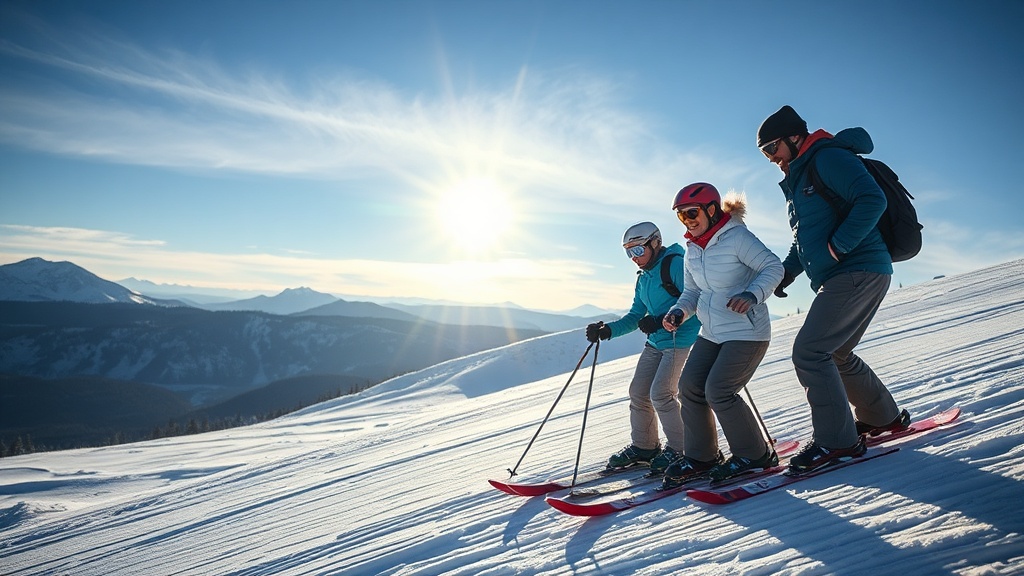
The Ultimate Guide to Planning Your Perfect Family Ski Vacation

What Does the Perfect Family Ski Vacation Actually Look Like?
The perfect family ski vacation balances challenging slopes for experienced skiers with gentle learning terrain for beginners, includes kid-friendly amenities like ski school and childcare, and offers off-mountain activities for rest days—all while keeping parents sane and the budget intact. This guide covers resort selection, gear preparation, lesson planning, accommodations, and logistics that separate memorable trips from expensive disasters. Whether you're taking a toddler for their first snow experience or corralling teenagers who'd rather be on their phones, these strategies will help you build a trip that works for everyone.
When Is the Best Time to Book a Family Ski Trip?
January after New Year's through early February offers the sweet spot of reliable snow, smaller crowds than holiday weeks, and lower prices at most North American resorts. That said, timing depends heavily on your priorities and flexibility.
December trips mean holiday magic—twinkle lights, hot cocoa by the fire, and festive village atmospheres. The catch? You'll pay premium rates and battle lift lines that snake around base lodges. Christmas week and Presidents' Day weekend can cost 40-60% more than mid-January, and popular resorts like Whistler Blackcomb or Vail sell out of slope-side accommodations months in advance.
March brings longer days, warmer temperatures, and often the deepest snowpack—particularly at higher-elevation resorts in Colorado and Utah. Families with young children often prefer these milder conditions. Spring break crowds vary by region, so check local school calendars before committing to dates.
For the budget-conscious, consider "shoulder season" options. Late November and early December can deliver excellent early-season pricing, though snow coverage varies dramatically by resort and elevation. Resorts with significant snowmaking infrastructure—like Vail Resorts properties or those in Colorado's Summit County—offer more reliability during these windows.
Booking Windows That Actually Matter
Airfare and accommodations follow predictable patterns. Domestic ski flights typically hit lowest prices 6-8 weeks before departure for January-February travel. International destinations—think the Alps or Japanese powder resorts—reward early planners with significant savings when booked 4-6 months out.
Lodging tells a different story. Slope-side condos and ski-in/ski-out properties at popular destinations often book solid by October for peak winter dates. Here's the thing: many resorts release inventory in tiers, with prices increasing as availability tightens. Booking 6-9 months ahead typically secures the best combination of selection and rates.
Which Ski Resorts Work Best for Families With Kids?
North America's most family-friendly resorts combine dedicated beginner terrain, quality ski schools, reliable childcare, and pedestrian-friendly base villages that minimize logistics headaches. The best choices depend on your family's skiing ability, budget tolerance, and tolerance for travel complexity.
For families with true beginners—kids or adults—look for resorts with dedicated, separated learning areas serviced by surface lifts or short chairlifts. Nothing kills enthusiasm faster than terrified beginners negotiating busy thoroughfares to reach bunny slopes. Resorts like Buttermilk in Aspen, Snowmass, and Northstar California excel here, with gentle, dedicated terrain that builds confidence progressively.
| Resort | Best For | Ski School Reputation | Childcare Available | Budget Indicator |
|---|---|---|---|---|
| Smugglers' Notch, VT | Young families, beginners | Excellent (award-winning) | Full-day programs (6 weeks+) | $$ |
| Keystone, CO | Kids ski free deals | Solid group programs | On-mountain daycare | $$$ |
| Park City, UT | Varied abilities, convenience | Professional instruction | Resort-run childcare | $$$$ |
| Whitefish, MT | Value, authentic atmosphere | Good beginner focus | Limited resort options | $$ |
| Tremblant, QC | European flair, close to East Coast | Strong multi-week programs | Club des Petits (6 months+) | $$$ |
Worth noting: "family-friendly" doesn't automatically mean "beginner-only." Teenagers who ski black diamonds need challenge too. Destinations like Jackson Hole and Alta offer phenomenal advanced terrain while still accommodating family logistics—though these require more careful planning for mixed-ability groups.
European ski vacations offer different trade-offs. The Alpine experience—think France's Les Trois Vallées or Austria's SkiWelt—provides vast linked ski areas, charming village atmospheres, and often better value for extended stays. The logistics increase: language barriers, different ski school structures, and travel complexity. For families comfortable with international travel, these deliver unforgettable experiences at often-lower price points than comparable North American destinations.
How Do You Keep Ski School and Childcare From Ruining the Trip?
Ski school success hinges on proper preparation, realistic expectations, and selecting programs matched to your child's personality—not just their age. The most expensive lessons won't help a tired, cold, or overwhelmed child.
Start with gear that actually fits. Rental shop lines on busy mornings can exceed 45 minutes, and ill-fitting boots turn excited kids into miserable ones fast. Many resorts now offer online gear reservation with delivery to your accommodations—services like Ski Butlers or Black Tie Ski Rentals deliver fitted equipment the evening before. For kids who've skied before and have properly fitted boots, consider investing in their own pair; nothing improves the experience like boots that don't pinch.
Most resort ski schools divide children by both age and ability, typically offering half-day (2-3 hours) and full-day options. The catch? Morning sessions usually deliver better snow and less-fatigued kids. Afternoon sessions—particularly for beginners—often see melt downs (pun intended) as cold and tiredness set in.
When evaluating ski schools, look beyond marketing materials:
- Group sizes: Six kids per instructor represents the upper limit for quality instruction. Premium programs often cap at four.
- Progression tracking: Quality programs provide clear feedback—cards, apps, or verbal reports—on what your child learned.
- Lunch arrangements: Full-day programs should include supervised lunch. Ask about food quality and allergy accommodations.
- Weather policies: What happens when temperatures drop below 10°F or storms roll in?
For children under four, most resort childcare focuses on indoor play rather than skiing. Exceptions exist— programs at Smugglers' Notch and certain Vail Resorts properties introduce snow play and beginning ski concepts to three-year-olds. That said, forcing formal instruction on very young children often backfires. A morning of sledding and snow angels sometimes builds more enthusiasm than structured lessons.
Handling the "I Don't Want to Go to Ski School" Meltdown
Resistance happens. Strategies that help: visiting the ski school area the day before to familiarize your child with the space, packing familiar snacks (check allergy policies), and starting with half-days rather than full ones. Some families find success splitting parents—one skis with the resistant child on easy terrain, the other enjoys harder skiing, then switching.
What Gear and Packing Strategies Actually Matter?
Proper layering prevents the cold-induced misery that ruins family ski trips faster than anything else. The old adage about cotton killing holds true—wet cotton against skin pulls heat away rapidly, and kids especially struggle to self-regulate temperature.
The foundation starts with merino wool or synthetic base layers. Brands like Smartwool, Patagonia, and Icebreaker offer quality options sized for children. Mid-layers provide insulation—fleece or light puffy jackets work well. The outer shell blocks wind and precipitation. Avoid bulky cotton sweatshirts that seem warm in the lodge but turn frigid when snow-soaked.
Hand and foot warmth challenge even experienced skiers. Mittens generally outperform gloves for children (fingers share warmth), and quality matters more than cute designs. Disposable hand warmers—available at every ski shop—rescue cold-handed kids mid-day. For feet, thin merino ski socks outperform thick cotton ones. One pair of quality wool socks beats doubling up on cheap ones that restrict circulation.
Don't forget non-skiing essentials. Swimming suits for resort hot tubs, board games for snowy afternoons, and familiar comfort items for bedtime matter more than that extra pair of ski pants. Sunscreen and lip balm with SPF become non-negotiable at altitude—reflected UV off snow burns faster than beach exposure.
Here's the thing about goggles versus sunglasses: goggles win. They seal out wind, stay put during falls, and work better in flat light. For families with glasses-wearers, OTG (over-the-glasses) goggle designs eliminate the contact lens hassle.
How Do You Handle the Logistics Without Losing Your Mind?
Successful family ski trips run on systems—predetermined meeting spots, communication plans, and realistic daily schedules that account for the fact that skiing with children moves at roughly half the speed of adult-only trips.
Establish a base camp strategy. Choose a lodge or on-mountain restaurant as your family's rally point, and ensure everyone knows how to reach it. Walkie-talkies (old-school, reliable when cell service fails) or family tracking apps provide backup communication. Many families find that splitting up—meeting for lunch rather than skiing together all day—preserves sanity and lets everyone ski at appropriate levels.
Food logistics trip up many families. Resort cafeteria prices shock first-timers—$18 burgers add up fast with hungry teenagers. Packing sandwiches, trail mix, and energy bars in pockets or small backpacks saves money and time. That said, hot cocoa breaks in mountain lodges create memories; budget for a few indulgences rather than every meal.
Transportation varies dramatically by destination. Rental cars offer flexibility at sprawling Western resorts like those in Utah's Cottonwood Canyons, where driving between multiple mountains makes sense. European destinations often work better with train connections and resort shuttles. Ski towns like Breckenridge, Colorado, or Whistler, British Columbia, offer pedestrian-friendly villages where cars become unnecessary burdens—park once and forget it.
Rental car tip: Request vehicles with AWD or 4WD, and understand that chains or snow tires become mandatory during active storms on many mountain passes. Airport rental counters at Denver International, Salt Lake City, or Reno run out of 4WD vehicles during busy periods—reserve early and confirm capability.
Rest days aren't optional for multi-day trips. Plan at least one non-skiing day per five days of skiing—more for families with young children. Tubing hills, snowshoeing, ice skating, or simply hot tub lounging recharge batteries and prevent the "ski bum-out" that turns enthusiastic kids into resistant ones by day four.
Family ski vacations demand more planning than beach getaways, but the payoff—shared powder turns, hot chocolate by the fire, and kids' faces lighting up at their first successful run—justifies the effort. Start planning early, build realistic itineraries, and remember that flexibility often matters more than perfect snow conditions. The best family ski trip isn't the one with the most vertical feet skied; it's the one where everyone wants to return next year.