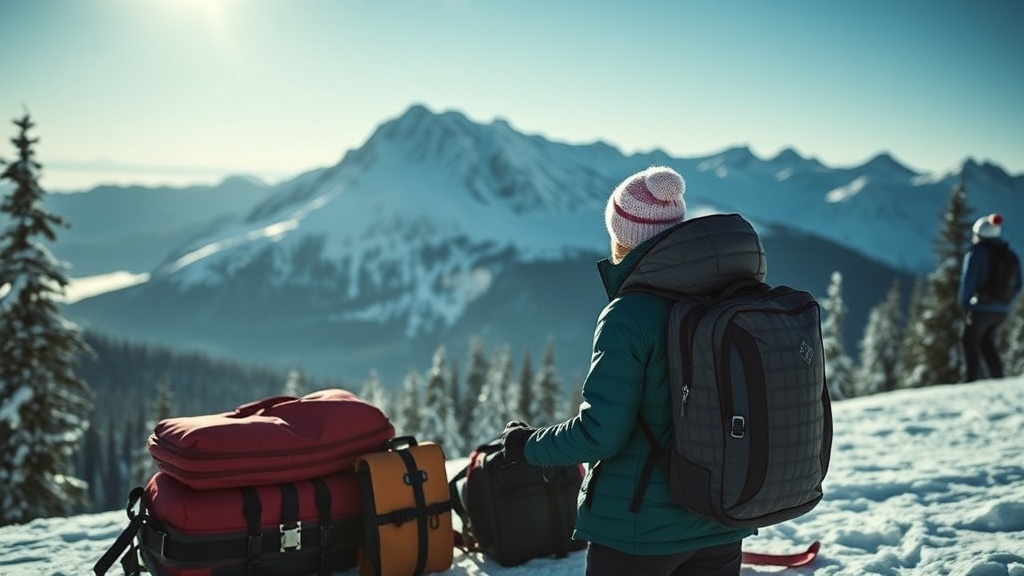
How to Pack for a Ski Trip Without Overstuffing Your Bags

What Should You Actually Bring on a Ski Vacation?
You're staring at an empty suitcase three days before your flight to Aspen, Whistler, or Chamonix — and somehow, you still have no idea what goes in it. Ski trips are notorious for overpacking. Bulky jackets, multiple base layers, boots that weigh as much as a small child. Before you know it, you're paying excess baggage fees or wrestling a 50-pound duffel through an airport parking garage. But here's the thing: you don't need nearly as much as you think. Smart packing for a ski vacation isn't about bringing everything — it's about bringing the right things, in the right fabrics, with the right strategy. This guide breaks down exactly how to pack efficiently without sacrificing warmth, comfort, or style on the mountain.
Which Layers Actually Matter for Cold Weather?
The secret to staying warm isn't one massive puffy coat — it's a system of layers that work together. Start with your base layer, the foundation that sits directly against your skin. Look for merino wool or synthetic fabrics that wick moisture away. Cotton kills in cold weather; once it gets damp from sweat, it stays damp and pulls heat from your body. A good base layer costs more upfront but lasts years and performs infinitely better than that old cotton long underwear hiding in your drawer.
Your mid-layer provides insulation. A lightweight fleece or down vest traps warm air without adding bulk. Many experienced skiers pack two mid-layer options — one lighter for sunny days, one warmer for storm skiing — but resist the urge to bring three or four. You won't wear them all, and they take up precious space.
The outer shell is your protection against wind, snow, and chairlift drips. A quality ski jacket with proper waterproofing (look for 10k+ ratings) eliminates the need for multiple coats. The same principle applies to pants — one good pair of ski bibs or insulated pants beats packing alternatives "just in case."
How Can You Fit Bulky Ski Gear in a Carry-On?
Here's where most travelers go wrong: they try to pack their ski boots in their checked luggage. Don't do it. Your boots should always travel with you in the cabin. They're expensive, oddly shaped, and if your checked bag gets lost, you can't rent a proper replacement that fits your feet. Most airlines allow boots as a personal item or let you strap them to a carry-on backpack. Wear your bulkiest items — ski jacket, snow pants, heavy boots for après — onto the plane. You'll save enormous amounts of luggage space and stay comfortable in freezing airport terminals.
Roll, don't fold, your base layers and mid-layers. Compression packing cubes are worth every penny for ski trips — they reduce volume by 30-40% and keep organized sections in your bag. Pack socks and glove liners inside your helmet to use that hollow space efficiently. Goggles go in your carry-on, preferably in a hard case; they're fragile and expensive to replace at resort prices.
For clothing, stick to a three-day rotation even for week-long trips. Most ski accommodations have laundry facilities, and washing a base layer takes ten minutes. Three sets of ski socks, three base layer tops, two mid-layers, and one outer shell system covers you completely. Add one set of casual clothes for evenings — jeans, a sweater, comfortable shoes — and you're done.
What Accessories Will You Regret Forgetting?
The small items cause the biggest headaches when forgotten. Hand warmers are cheap insurance against frozen fingers on single-digit days. A neck gaiter or balaclava protects your face from windburn and driving snow — far more versatile than a bulky scarf. Lip balm with SPF, sunscreen (the mountain sun reflects off snow with surprising intensity), and quality goggles with interchangeable lenses for varying light conditions.
Don't trust resort rentals for everything. If you own properly fitted boots, bring them. The same goes for helmets — rental helmets are often poorly fitted and heavily used. However, skis and poles are perfectly fine to rent at your destination. Modern rental fleets are excellent, and dragging skis through airports is a special kind of misery.
Pack a small repair kit: a multi-tool with a screwdriver for binding adjustments, duct tape wrapped around a ski pole (invisible but always handy), and extra ski straps. These weigh nothing but save your day when something loosens or breaks.
Where Should You Stash Gear for Easy Mountain Access?
Organization doesn't end when you close your suitcase. Set up a system at your accommodation that makes mornings effortless. Designate one area for wet gear — boots on a boot dryer if available, jackets hanging to air out. Keep a small daypack pre-loaded with snacks, water, sunscreen, and your multi-tool. When you're rushing to catch first chair, you won't waste ten minutes hunting for your pass or goggles.
Layer your clothing strategically for the mountain, not just for warmth. Put your ski pass in a dedicated pocket you can reach with gloved hands. Keep your phone in an interior chest pocket — body heat preserves battery life in freezing temperatures. Store hand warmers in an accessible outer pocket so you can activate and swap them without removing your pack.
Avoid the temptation to over-accessorize with gadgets. Heated socks, electronic hand warmers, and GPS trackers sound appealing but add complexity and potential failure points. Reliable wool, good fit, and proper technique keep you warmer than batteries ever will.
Is It Worth Shipping Gear Instead of Flying With It?
For longer trips or international destinations, shipping your skis and boots ahead can actually save money and stress. Services like Ship Skis specialize in door-to-door delivery to resorts, often costing less than airline baggage fees when you factor in oversized charges. Your gear arrives at your hotel or rental property, waiting for you when you check in. No airport wrestling, no carousel anxiety, no damage from rough baggage handling.
If you ship, pack boots and helmet in your carry-on — those are personal fit items you can't easily replace. Skis and poles are relatively standardized and easier to rent if shipping goes wrong. International travelers should research customs regulations; some countries have specific requirements for sporting equipment imports.
For domestic weekend trips, driving with gear usually beats flying. Load your skis on a rooftop rack or inside a cargo box, pack clothes in soft duffels, and avoid the entire airport circus. You'll save on parking, baggage fees, and the indignity of stripping down at security while holding up the line.
"The best ski trip is the one where your gear fades into the background — warm enough that you forget about it, comfortable enough that you focus on the snow, reliable enough that it never surprises you."
Packing light for a ski trip requires confidence in your choices and trust in your preparation. You're not climbing Everest for a week at Breckenridge — you're skiing groomers, enjoying après, and sleeping in heated rooms. Pack what you need, leave the "just in case" items at home, and remember that resorts have stores for genuine emergencies. The money you save on baggage fees buys another day on the mountain. The mental clarity of traveling light lets you focus on what matters: fresh powder, blue skies, and the satisfying burn in your legs after a perfect run.