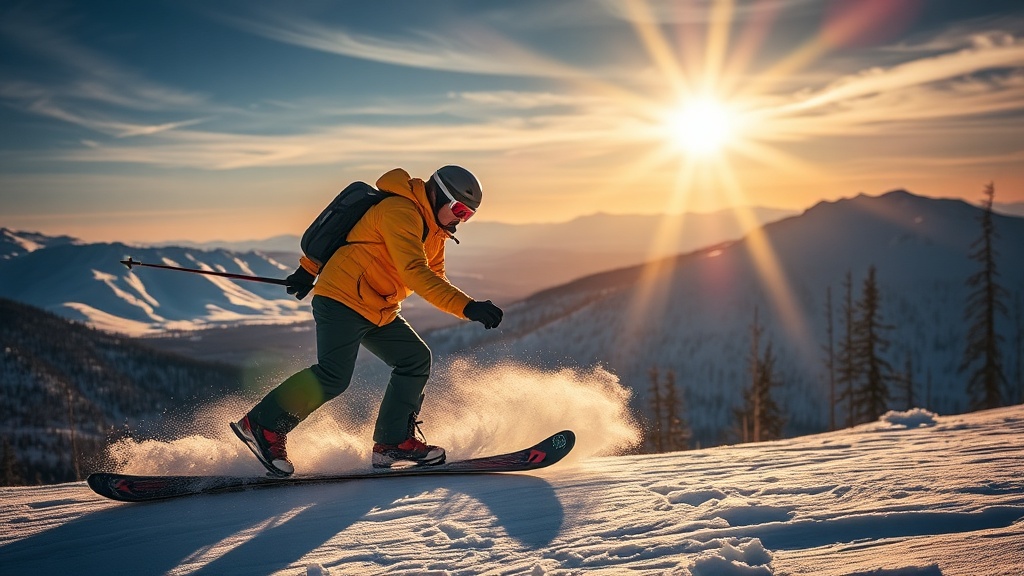
Demystifying Your First Ski or Snowboard Purchase: A Practical Guide to Gear Selection and Maintenance

Demystifying Your First Ski or Snowboard Purchase: A Practical Guide to Gear Selection and Maintenance
Did you know that the advent of shaped skis in the 1990s dramatically reduced the time it takes for beginners to master carving and parallel turns? What once took three to four years of consistent practice can now often be achieved within your very first season. This isn't just about advancements in instruction; it's a testament to how profoundly proper gear influences your learning curve and overall enjoyment on the slopes. For anyone stepping into the world of ski or snowboard ownership, understanding what to buy—and how to care for it—can feel daunting. This guide will help you confidently choose the right equipment and keep it in prime condition, making your mountain adventures more rewarding from day one.
What factors shape your first ski or snowboard choice?
Deciding between skis and a snowboard is often the first hurdle, and it's a personal one. Skis generally offer a slightly steeper initial learning curve but provide independent leg movement that some find intuitive. Snowboarding, while often described as feeling more natural once you get the hang of it, can involve more falls early on as you learn to balance on a single platform. Beyond this fundamental choice, several elements will guide your selection:
- Terrain Preference: Do you dream of gliding on freshly groomed corduroy, floating through deep powder, or hitting jumps in the park? Your preferred terrain dictates the type of ski or snowboard. All-mountain skis and snowboards are excellent starting points, designed to handle a variety of conditions.
- Skill Level: As a beginner, you'll want gear that is forgiving and easy to turn. Skis are typically shorter and softer flexing for beginners, making them easier to control. Snowboards for novices are often softer and twin-tipped, allowing for easier turns and switch riding (riding with your opposite foot forward). Don't buy expert-level gear hoping to 'grow into it'—it will only hinder your progression.
- Rider Weight and Height: This is more than just a suggestion; it's a crucial measurement for safety and performance. Ski length is generally related to your height and weight, while snowboard length considers height, weight, and riding style. A too-long ski can be unwieldy, a too-short one unstable. Consult sizing charts and, ideally, get fitted by a professional.
- Budget: Skiing and snowboarding can be an expensive hobby, but your first setup doesn't have to break the bank. You can find excellent entry-level packages that combine skis/snowboard, bindings, and boots. Prioritize spending on well-fitting boots—they are the most important part of your setup for comfort and control.
Where can you confidently buy your ski or snowboard setup?
The marketplace for winter sports gear is broad, offering several avenues for your first purchase. Each has its advantages, depending on your priorities:
- Specialty Ski and Snowboard Shops: This is hands-down the best option for beginners. The expertise of staff in these shops is invaluable. They can assess your unique needs, guide you through sizing, and—most importantly—ensure your boots fit perfectly. A good boot fit can make or break your day on the mountain, preventing pain and improving control. Technicians will also mount your bindings correctly and set them to the appropriate release settings for your safety. Many shops offer demo programs where you can try out different models before committing to a purchase. Look for shops with certified boot fitters for the best experience.
- Online Retailers: Online stores often boast competitive prices and a wider selection. However, buying boots and even skis/snowboards sight unseen carries risks, especially for beginners who can't accurately assess fit and feel. If you do purchase online, be prepared to visit a local shop for boot fitting and binding mounting/adjustment. Always double-check return policies. Websites like Evo or Backcountry often have detailed product descriptions and customer reviews, which can be helpful if you know exactly what you’re looking for.
- Used Gear Sales: Secondhand gear can be a budget-friendly way to get started. Look for reputable ski swaps, consignment shops, or online marketplaces. When considering used equipment, meticulously inspect skis/snowboards for deep gouges, delamination, or edge damage. For bindings, ensure they are not too old (many shops won't work on bindings older than 10 years due to liability and safety concerns, as plastic components can degrade). It's generally advisable to buy new boots, as used ones will have molded to someone else's feet, potentially leading to discomfort and poor performance for you. For reliable binding checks, visit your local ski shop—they can often tell you if the bindings are still indemnified and safe.
Ultimately, renting equipment for your first few trips is always a smart move. It allows you to try both skiing and snowboarding, and various types of gear, without significant upfront investment. Once you know what you like, then consider buying.
How do you keep your new gear in peak condition?
Your investment in new equipment will pay dividends for years if you practice proper care and maintenance. It’s not just about longevity; well-maintained gear performs better and is safer.
- Basic Post-Day Care: After each day on the snow, wipe down your skis or snowboard, especially the edges and bases, to remove moisture and grime. Standing water can lead to rust on your edges. Let your gear air dry completely before storing it, ideally in a well-ventilated area away from direct sunlight or extreme heat. Always keep your skis or snowboard standing upright or laid flat—never leaning on their tips or tails for extended periods, which can warp them.
- Storage Tips (Winter and Off-Season): During the winter season, store your gear somewhere cool and dry, like a garage or basement. For long-term off-season storage, it's a good idea to apply a thick layer of storage wax to the bases of your skis or snowboard. This prevents the bases from drying out and oxidizing, keeping them fast for next season. Loosen the buckles on your boots to relieve pressure, and store them in a boot bag to protect them.
- When to Wax and Tune: How often you wax depends on how frequently you ride and the snow conditions. A good rule of thumb is to wax every 3-5 days of riding, or when your bases look dry and white (especially near the edges). Tuning involves sharpening your edges and structuring your bases. Sharper edges provide better grip on hard snow, while base structure helps glide. Most recreational riders will benefit from a professional tune-up once or twice a season, or if you notice your edges feeling dull or your board/skis dragging. Consider a home waxing kit for frequent touch-ups between professional tunes—it’s a simple skill to learn and saves money over time.
- Binding Checks: Before each season, and periodically throughout, visually inspect your bindings for any cracks, loose screws, or unusual wear. Ski bindings, in particular, should have their release values (DIN settings) checked annually by a certified technician. This ensures they release correctly in a fall, significantly reducing the risk of injury. Never attempt to adjust your ski binding DIN settings yourself; it requires specialized tools and expertise.
Investing in your first set of skis or a snowboard is an exciting step towards deepening your connection with the mountains. With the right gear—and a little attention to its upkeep—you’re setting yourself up for countless memorable days enjoying the winter playground. Remember, informed choices and diligent care aren't just about saving money; they’re about maximizing your fun and safety on the slopes.